Optimal Timing for Popcorn Ceiling Repairs
Understanding the optimal timing for popcorn ceiling repairs can influence the quality and longevity of the results. Factors such as climate, indoor humidity, and home occupancy patterns play a role in determining the best time to undertake such work. Usually, dry and mild weather conditions are preferred to ensure proper drying and adhesion of repair materials.
Spring and fall are ideal seasons due to moderate temperatures and lower humidity levels, which facilitate effective repairs.
High humidity or extreme temperatures can hinder the drying process and compromise the repair quality.
Choosing a time when indoor heating or cooling is stable helps maintain consistent conditions for popcorn ceiling repairs.
Scheduling repairs during periods of low household activity minimizes disruptions and allows for better focus on the work.
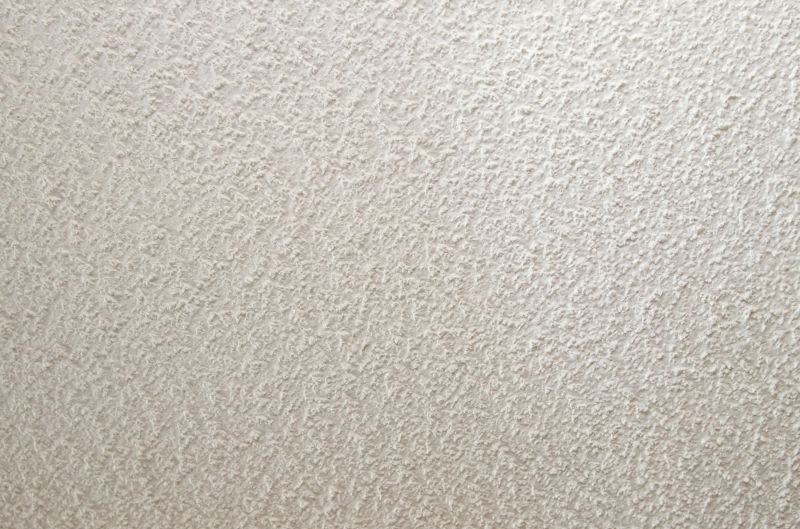
Ways to make Popcorn Ceiling Repairs work in tight or awkward layouts.
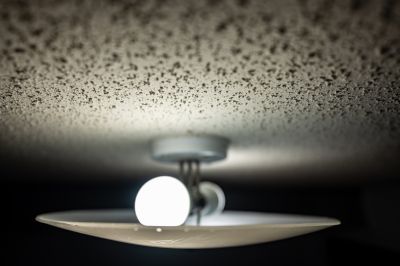
Popular materials for Popcorn Ceiling Repairs and why they hold up over time.
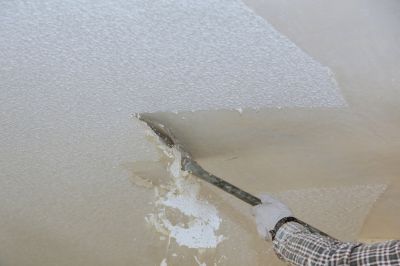
Simple add-ons that improve Popcorn Ceiling Repairs without blowing the budget.
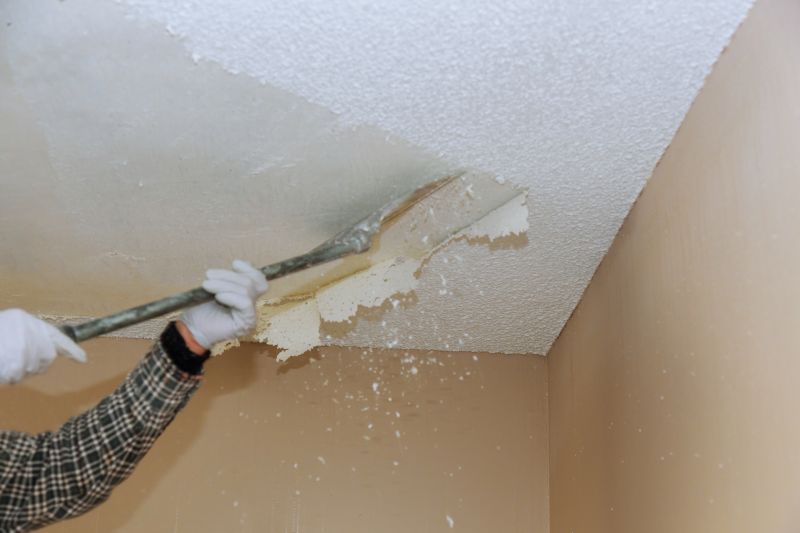
High-end options that actually feel worth it for Popcorn Ceiling Repairs.
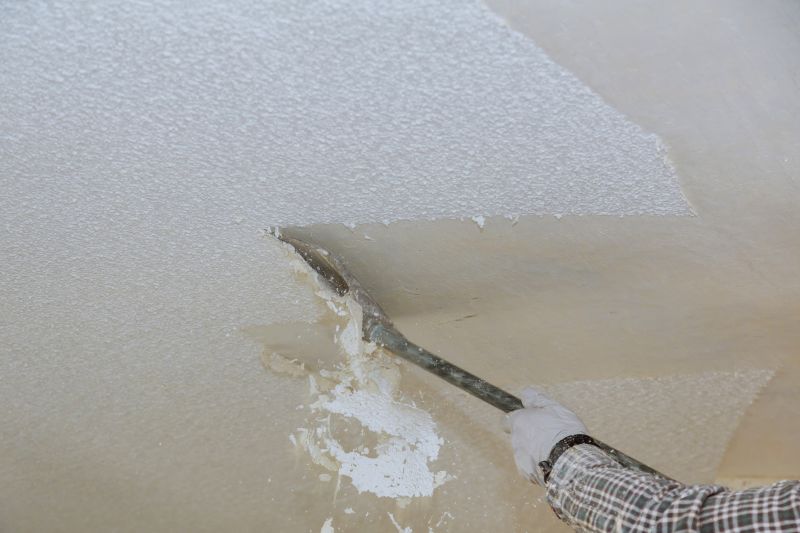
Finishes and colors that play nicely with Popcorn Ceiling Repairs.
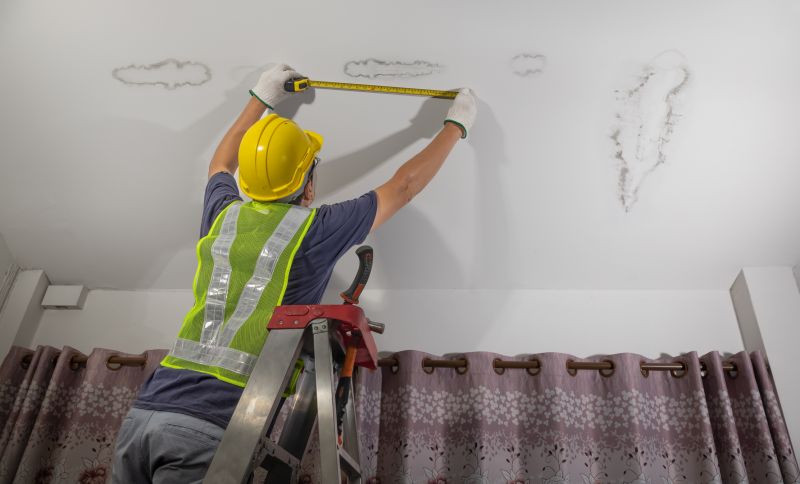
Little measurements that prevent headaches on Popcorn Ceiling Repairs day.
Popcorn ceiling repairs involve restoring or replacing textured ceiling surfaces that have become damaged, stained, or outdated. This process can improve the aesthetic appeal and structural integrity of ceilings, especially in older homes where popcorn textures were commonly used. Proper timing ensures that repairs are effective and durable, reducing the need for frequent touch-ups.
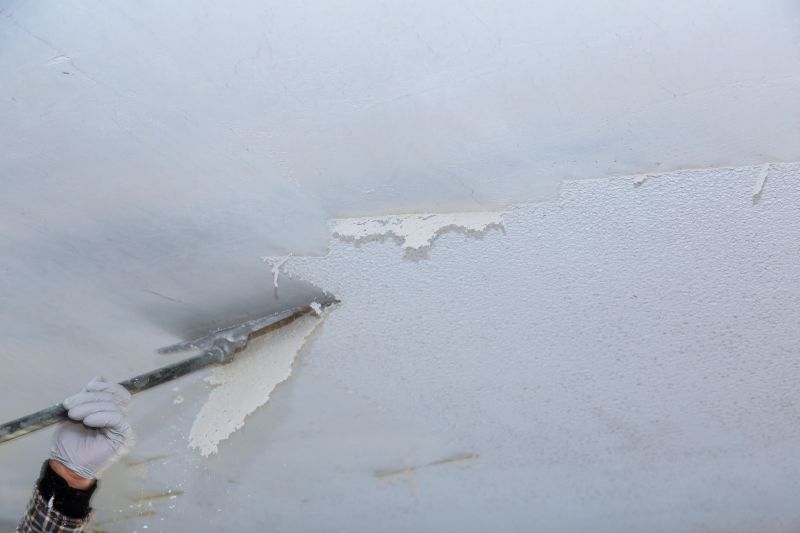
A 60-second routine that keeps Popcorn Ceiling Repairs looking new.
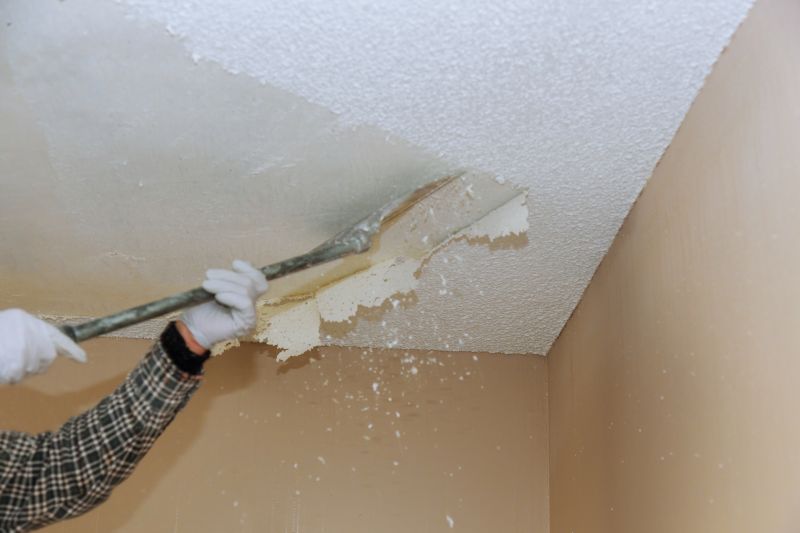
A frequent mistake in Popcorn Ceiling Repairs and how to dodge it.
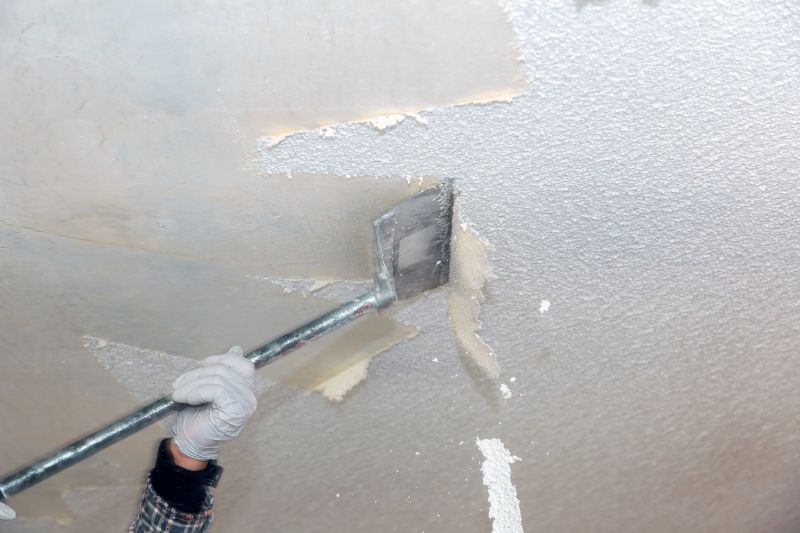
Small tweaks to make Popcorn Ceiling Repairs safer and easier to use.
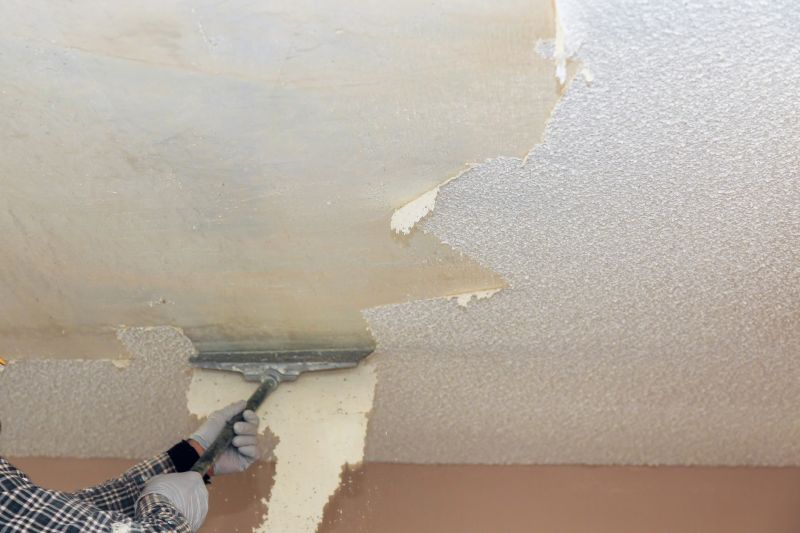
Lower-waste or water-saving choices for Popcorn Ceiling Repairs.
| Factor | Recommended Timing |
|---|---|
| Temperature | Moderate temperatures are best, avoid extreme heat or cold |
| Humidity | Low humidity levels support better drying and adhesion |
| Home Occupancy | Schedule during periods of low household activity |
| Weather Conditions | Choose dry, mild weather for exterior or open work |
| Drying Time | Allow sufficient time for surface to dry completely |
| Indoor Climate | Maintain stable indoor temperature and humidity |
| Season | Spring or fall are typically optimal |
| Preparation Time | Ensure ample time for surface prep and curing |
Selecting the right time for popcorn ceiling repairs can ensure a smoother process and longer-lasting results. Proper planning based on climate and household schedules minimizes disruptions and enhances the quality of the work. If interested in scheduling popcorn ceiling repairs, filling out the contact form can facilitate planning and coordination.